Use the Dumpster types category as a starting point, then narrow the request according to cleanup needs, sanitation needs, service frequency, access, and timing. This guide emphasizes sanitation categories.
Start With the Rental Need
For a temporary container, explain what will go into it, the approximate project size, where the truck can approach, where the box could rest, and when you expect loading to end.
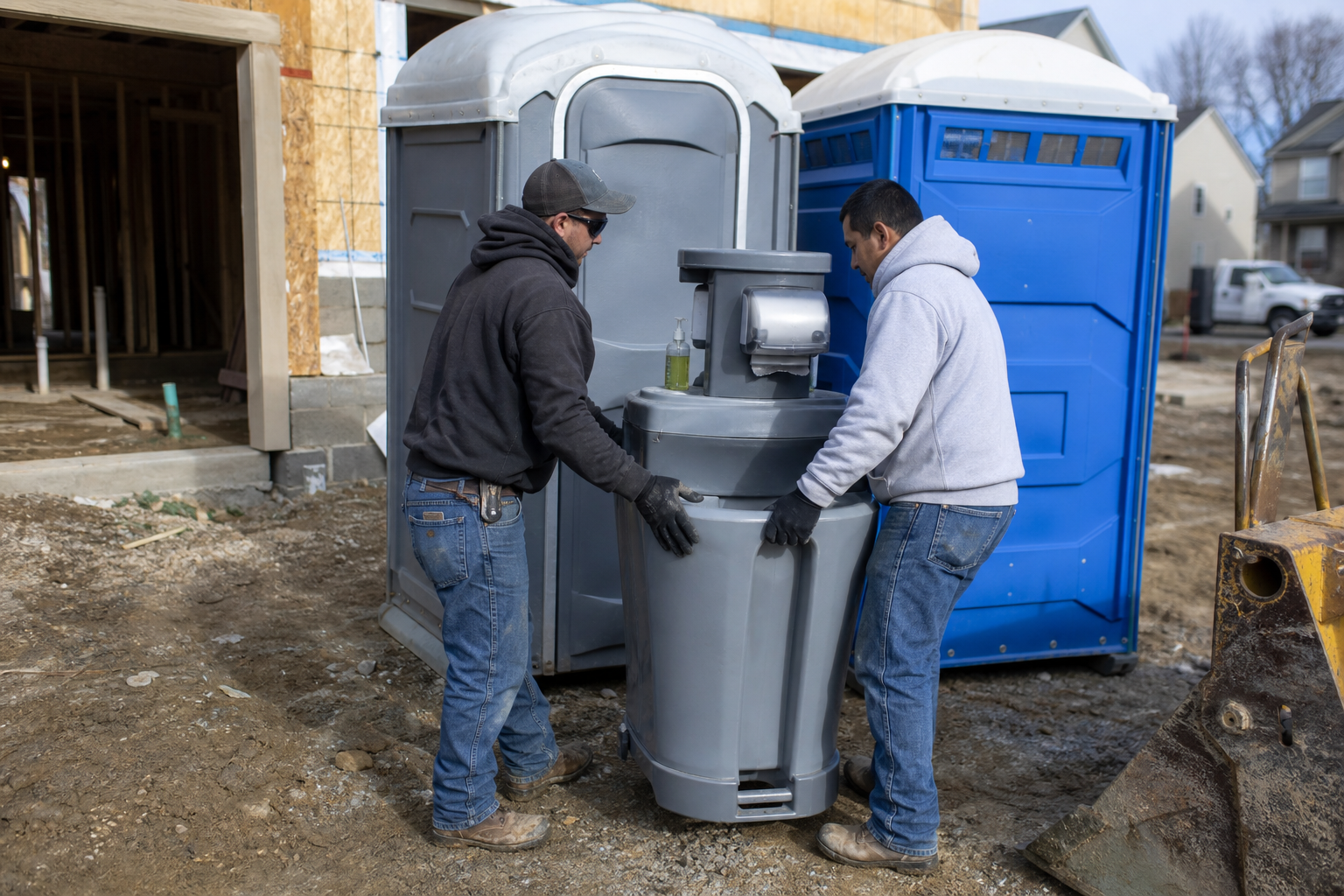
If you are arranging portable toilets, tell the provider the event or worksite type, expected attendance or crew size, duration, desired equipment, hygiene needs, and access constraints.
Broad service navigation lives in the service-category cards on this page; more focused choices appear in the service options already shown on this page when you are ready to narrow the request.
Choose the Right Service Path
The address is the deciding location detail. ZIP and street references add context, especially when the site sits near another community or has a less obvious entrance. A route reference such as Ramona Expressway, Hartley Parkway, Reeves Parkway, South Sheriff Boulevard, Ramona Boulevard, Sunyside Boulevard, East Main Street, West Main Street can add context, but the full address is still needed for an availability check.
More helpful information
Prepare the Site Before Scheduling
Truck and service access deserve an early check. Note gates, turns, overhead wires or structures, surface concerns, parking conditions, and any hours when entry is limited.
Before choosing a child service, have these facts ready:
- Project, cleanup, event, or job-site type
- Likely debris, sanitation use, or equipment purpose
- Any timing window that affects entry, setup, servicing, or removal
- Preferred delivery, setup, service, exchange, or pickup dates
- Gate, driveway, surface, parking, clearance, or staging constraints
The provider should explain what is available for the address, when it can be delivered or set up, how the rental period works, how service or pickup is handled, and what restrictions apply.